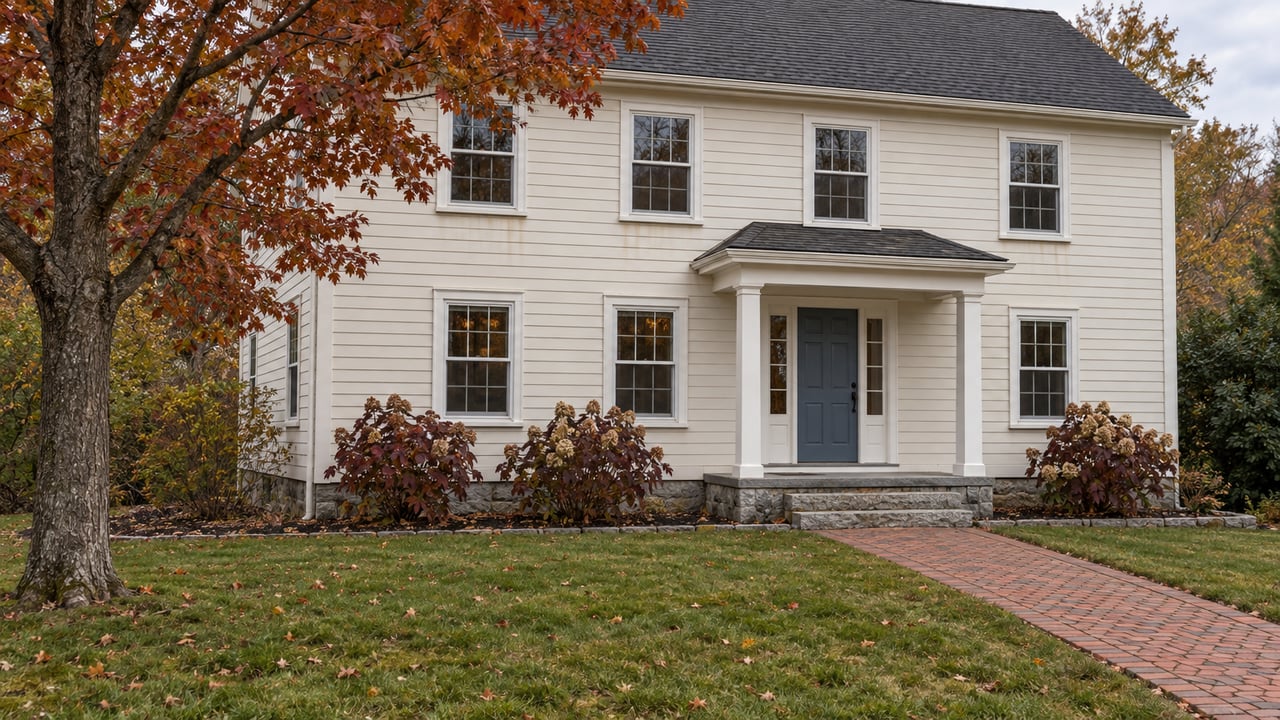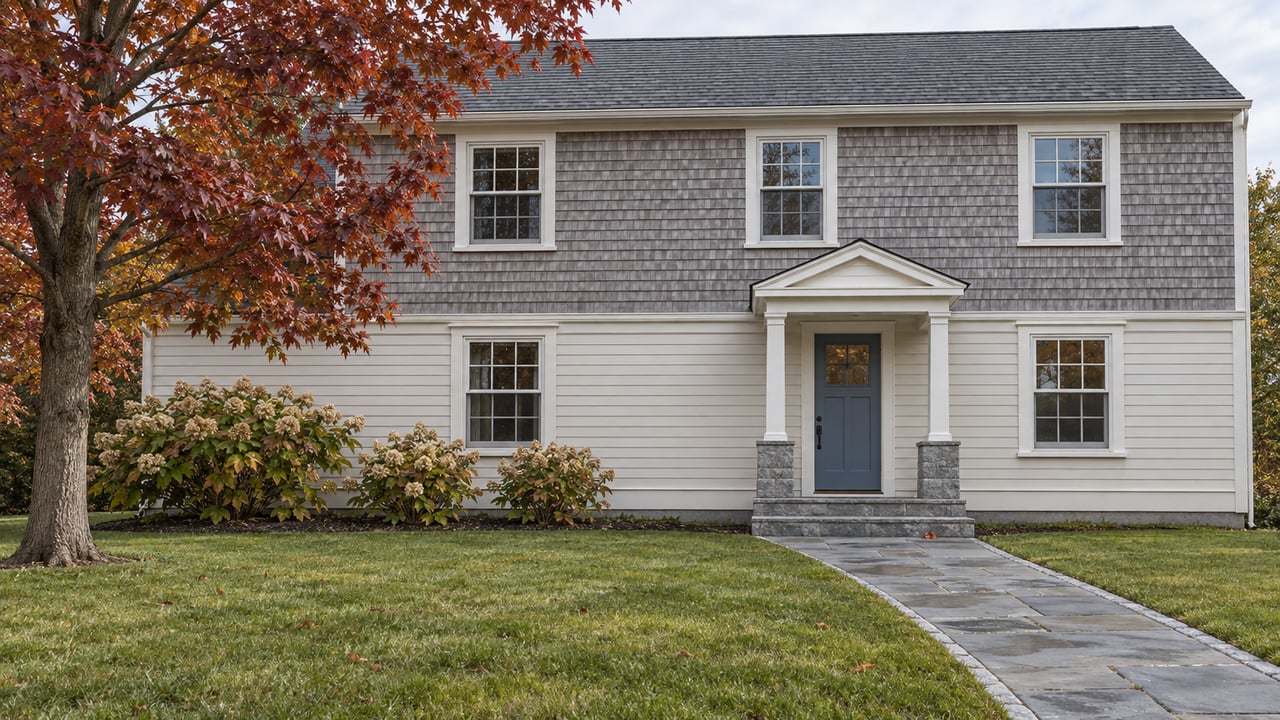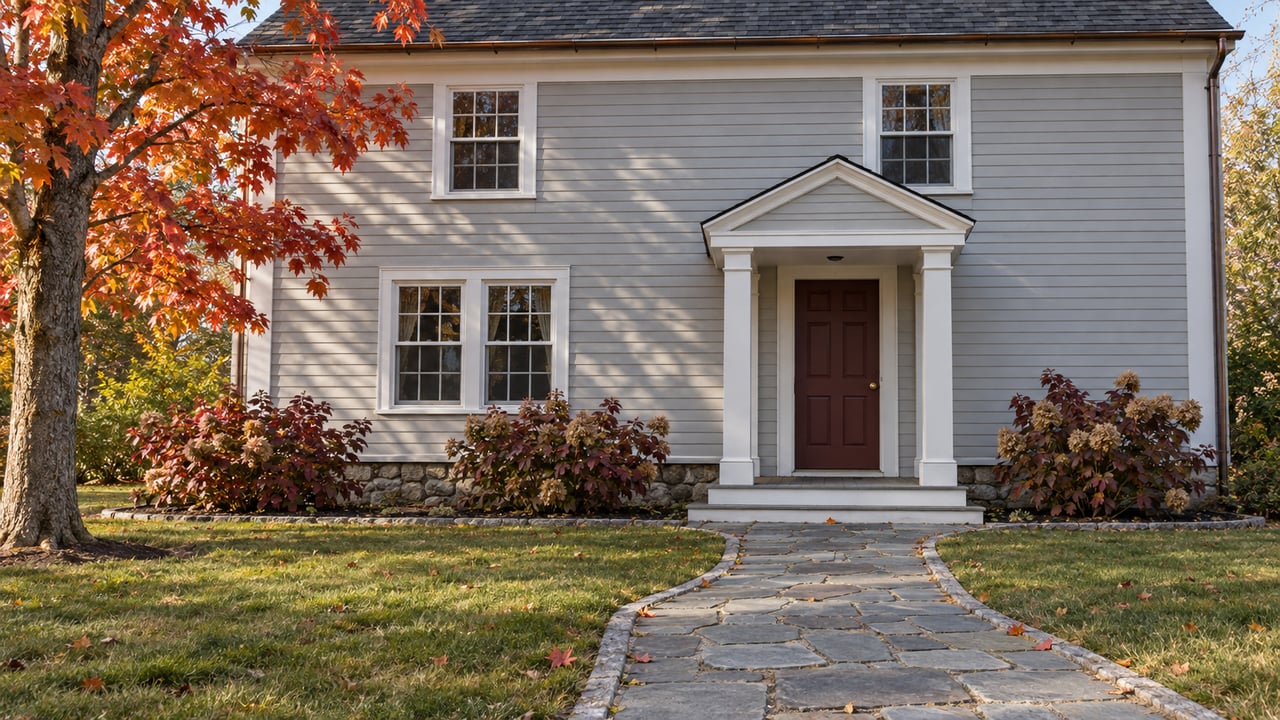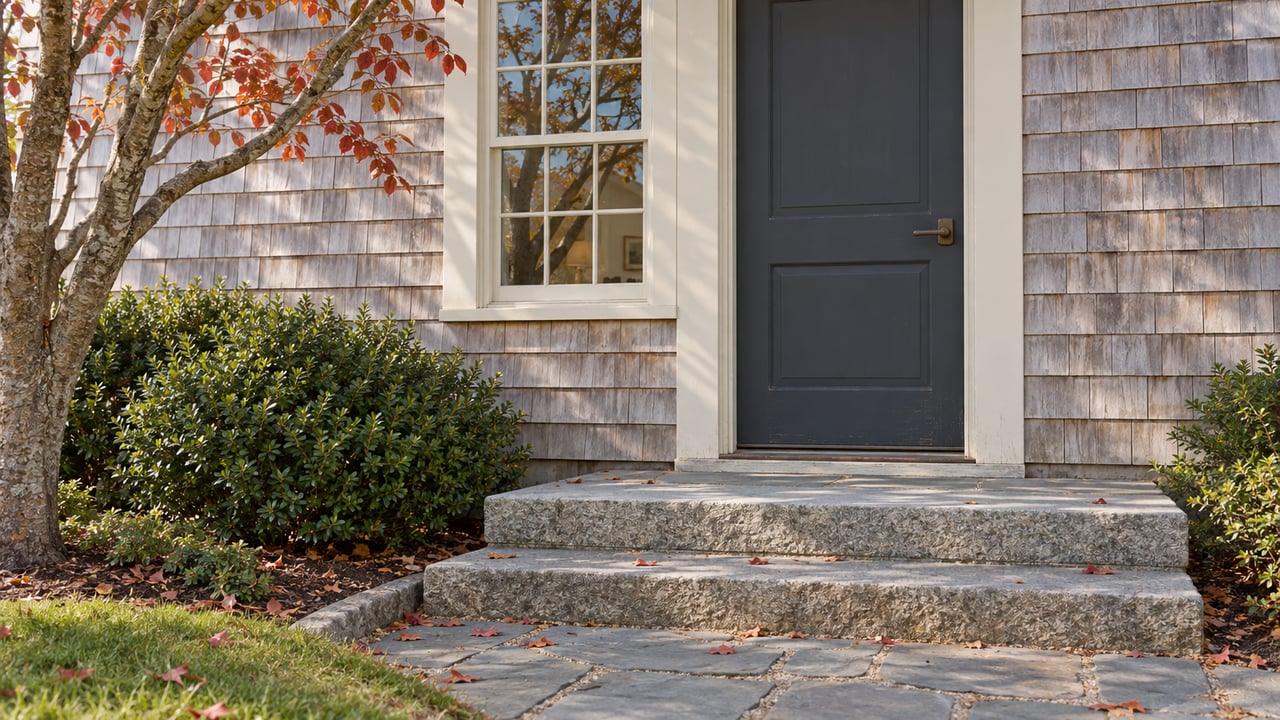
Most sellers assume that once they've called the Town of Stonington's building department, they've covered the paperwork. Inside Stonington Borough, that assumption is wrong, and it's the kind of wrong that shows up at the worst possible moment: three weeks before a listing photographer is booked, or during attorney review on a house you thought was fully renovated.
The Borough of Stonington is not a neighborhood name or a marketing label. The Borough of Stonington describes it as a chartered government, separate from the Town of Stonington that surrounds it, with its own zoning. If you're planning exterior work on a Borough home before you list, or you're buying a Borough property and trying to read what "recently renovated" actually covers, this is the piece that changes how you plan the timeline.
One Village, Two Governments
The Borough of Stonington was chartered in 1801 by a special act of the Connecticut legislature, which makes it the oldest borough in the state. It has its own governing body, the Board of Warden and Burgesses, currently led by Warden Michael Schefers, and that board appoints its own Planning and Zoning Commission and its own Zoning Board of Appeals. None of that authority flows down from the Town of Stonington. It runs in parallel to it.
Even the Borough seal carries its own local history. It references Nathaniel Brown Palmer, the Stonington sea captain who in 1820 became the first American to sight the Antarctic continent, a stretch of coastline now known as Palmer Land. Small detail, but it captures something real about the Borough: this half-square-mile of streets has always operated with a strong sense of its own identity, governance included.
That independence is exactly why the permitting sequence trips people up. A buyer who has done a renovation in Mystic or Old Mystic is used to dealing with one town building department. In the Borough, that same buyer discovers there's a second office to satisfy first.
The Borough's Exterior Approval Sequence
Here's how a Borough exterior project actually has to move, according to the Borough's own zoning guidance:
- Get zoning approval from the Borough's Planning and Zoning Commission for any exterior modification to an existing structure, or any new construction.
- Only after that approval is in hand can the Town of Stonington's building official issue the building permit.
- Once construction is done, the Borough issues a certificate of zoning compliance.
- Only then will the Town issue the certificate of occupancy.
Two governments, four steps, in a fixed order. Skip step one and step two never happens. Skip step three and you can finish a beautiful renovation that still can't legally be occupied under a Town-issued certificate.
If a Borough project skips the Borough's own zoning approval, the sequence doesn't just slow down. It stops.
For a seller planning pre-listing work, new siding, a rebuilt porch, replacement windows, a deck, this changes the math on how far ahead to start. A project that would take six weeks in an unincorporated part of the Town can run longer here simply because there's a board meeting to get on the calendar before a building permit application even makes sense.
What "Recently Renovated" Should Make You Ask
This sequencing issue matters just as much to buyers as it does to sellers, maybe more. A listing description that says a Borough home was recently renovated tells you the work happened. It doesn't tell you whether the Borough's certificate of zoning compliance exists for that work.
If a previous owner did the exterior renovation without going through Borough zoning first, that gap can surface during attorney review, during a lender's title search, or at the point where a new owner tries to get a Town permit for the next project and discovers the file is incomplete going back to work that was never properly closed out. Knowing about it before you write an offer gives you a chance to raise the question earlier.
The practical move for a Borough purchase is to ask directly, during due diligence, whether the exterior work referenced in the listing has a matching Borough zoning compliance certificate on file. It's a specific document with a specific answer, not a judgment call.
Harbor Commission Membership
The Borough of Stonington says the Harbor Management Commission has five members appointed by the Borough and five by the Town, and meets monthly.
Timing a Listing Around Two Approval Calendars
Connecticut's broader market context makes the timing question sharper than it might have been in a slower year. Statewide, home prices were up 5.2 percent year over year as of July 2026, with a median sale price of $473,297, and 58.3 percent of homes sold above list price that month. Median days on market statewide sat at 39 days in July 2026. That's a market rewarding sellers who are ready to go the moment demand shows up, not sellers who are still waiting on a Borough zoning hearing.
For a Borough seller, the practical takeaway is to work backward from a target listing date and build in Borough approval time as its own line item, separate from the actual construction schedule. A siding replacement that takes ten days to install might still need a full commission meeting cycle to get approved first. Starting that clock a season early, rather than a month early, is what keeps a strong market from working against you.
A Few Questions Worth Asking Directly
Does every exterior change need Borough approval, even small ones? Whether a smaller project needs Borough approval is a question worth confirming directly with the Borough's zoning office.
Is this the same office as the Town's Stonington Historical Society or Historic District review? No. The Borough's Planning and Zoning Commission and Zoning Board of Appeals are municipal zoning bodies tied to the Borough charter, distinct from historical or preservation organizations. Both can be relevant to a Borough property, but they are separate processes with separate offices.
Does this apply outside the Borough, in the rest of the Town of Stonington? This article's two-government sequence concerns properties inside the chartered Borough of Stonington. For other areas, confirm the process with the Town.
Buying or selling inside Stonington Borough isn't harder because of the charm that draws people there. It's harder because it's genuinely two governments doing their jobs in sequence, and the sequence rewards planning ahead of it rather than discovering it mid-project. If you're weighing a Borough purchase or getting a Borough home ready to list, Renee McCammon has walked this exact process with Borough sellers and buyers and can help you build a realistic timeline before the first permit application goes in. Let's Connect.
This article is general information, not legal, tax or financial advice. Consult a qualified professional about your situation.