Ever wish you could find a shoreline town that feels authentic year-round, not just busy in peak season? If you are drawn to harbor views, walkable streets, and a quieter pace without giving up dining, culture, or convenience, Stonington may be exactly what you have in mind. This guide will help you understand what daily life looks like in Stonington, what makes it different from nearby coastal destinations, and why so many buyers are drawn to its village setting. Let’s dive in.
Why Stonington Feels Different
Stonington has a true coastal identity, but it does not read like a sprawling resort town. According to the Town of Stonington, it sits in Connecticut’s southeastern corner and is the only town in the state that faces the Atlantic Ocean. Its shoreline includes peninsulas, islands, coves, marshes, and a mix of seaside and semi-rural areas.
That variety matters when you picture everyday life here. You get a shoreline setting with texture and history, not a single strip of beach development. It feels layered, lived-in, and rooted in the water.
The town is made up of four villages: Old Mystic, Mystic, Pawcatuck, and Stonington Borough. When people talk about the classic coastal village lifestyle, they are usually thinking of Stonington Borough and the immediate shoreline. That is where the compact harbor setting, historic streetscape, and walkable waterfront are most pronounced.
Stonington Borough’s Harbor Village Appeal
Stonington Borough is the oldest borough in Connecticut, incorporated in 1801. The town connects it to a whaling-port past, and the harbor still supports Connecticut’s last remaining commercial fishing fleet. That detail says a lot about the feel of the area.
This is not just a waterfront to look at from a distance. It is a working harbor with movement, purpose, and a strong local identity. The state coastal-access guide also notes that sailboats are commonly seen racing there, which adds to the active, coastal rhythm of the village.
Much of the waterfront in the Borough has shifted to residential use over time, but the harbor remains active. That creates one of Stonington’s biggest strengths: a setting that feels scenic and residential while still staying connected to the water in a practical, everyday way.
What Daily Life Looks Like
If you are trying to imagine your day-to-day routine in Stonington, the best place to start is Water Street and the harborfront. The Borough is compact enough that simple routines can feel enjoyable instead of rushed. A walk to coffee, a stop by the water, or an evening dinner with harbor views can all fit into ordinary life here.
At the end of Water Street, Stonington Point offers panoramic views of Fishers Island Sound. It sits next to duBois Beach and the Old Lighthouse Museum, and the state guide notes that fishing is allowed there. That combination captures the tone of the village well: scenic, historic, and still connected to the working waterfront.
DuBois Beach is one of the easiest places to picture a relaxed shoreline day. CTvisit describes it as a sandy, family-oriented beach with shallow water, an on-site pavilion, and parking at the Stonington Point lot. For many buyers, that kind of easy coastal access is a big part of the appeal.
Outdoor Access Beyond the Harbor
Stonington’s lifestyle is not limited to the center of the Borough. The local parks and nature guide points to several public-access spots and preserves that support an active outdoor routine. These include Wayland’s Wharf, the Diving Street kayak launch, and preserves such as Dodge Paddock & Beal, Fennerswood, and Hoffman Evergreen.
Stonington Commons also adds another waterfront element, with a path along the water, dock access, and nearby dining. That helps expand the village experience beyond a single main street. Even a quick walk can come with water views and a sense of connection to the shoreline.
For broader nature access, Barn Island Wildlife Management Area is a standout. The state describes it as an Important Bird Area and says it includes the largest tract of saltmarsh next to undeveloped coastal forest in New England. The main loop is about 3 miles, with marsh observation areas that make it a strong fit for walking, birding, and quiet outdoor time.
Dining and Culture in the Village
One reason Stonington feels so livable is that the village offers more than just scenery. Dining in the Borough is centered on Water Street and the harbor edge, with a mix of casual and more refined options. The local merchant guide highlights Dog Watch Café, Noah’s, Water Street Café, Milagro, and Indulge Coffee.
That range gives you flexibility in how you use the village. You can grab coffee, meet friends for lunch, or enjoy a waterfront dinner without leaving the neighborhood core. For buyers who want convenience without a fast-paced commercial feel, that balance can be very appealing.
Cultural life is also stronger here than many people expect from a smaller shoreline village. Historic Stonington operates both the Lighthouse Museum and the Captain Nathaniel B. Palmer House Museum. The Palmer House is preserved as a National Historic Landmark, and its harbor views reinforce how closely the area’s history is tied to the water.
The state also recognizes Stonington among Connecticut’s cultural-district communities, including Stonington Village and Mystic Bridge. That designation supports what many visitors and residents already notice: this is a place with ongoing cultural energy, not just seasonal charm.
Housing Options in Stonington
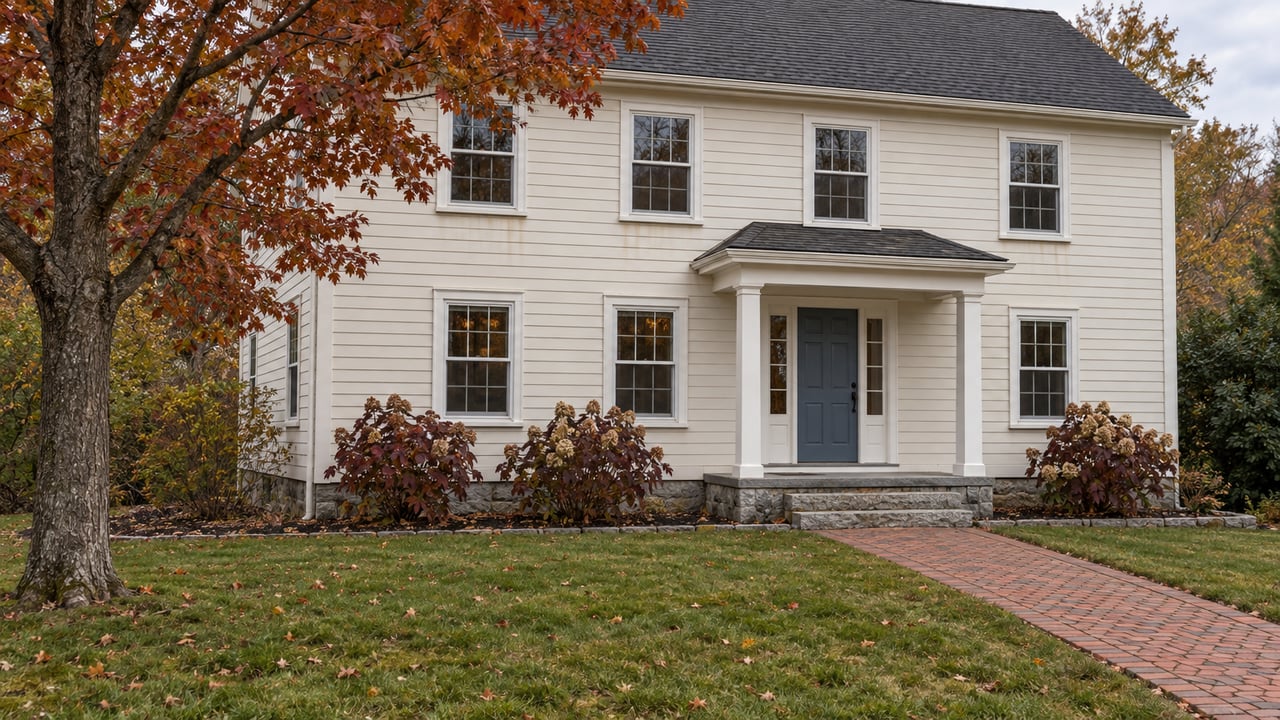
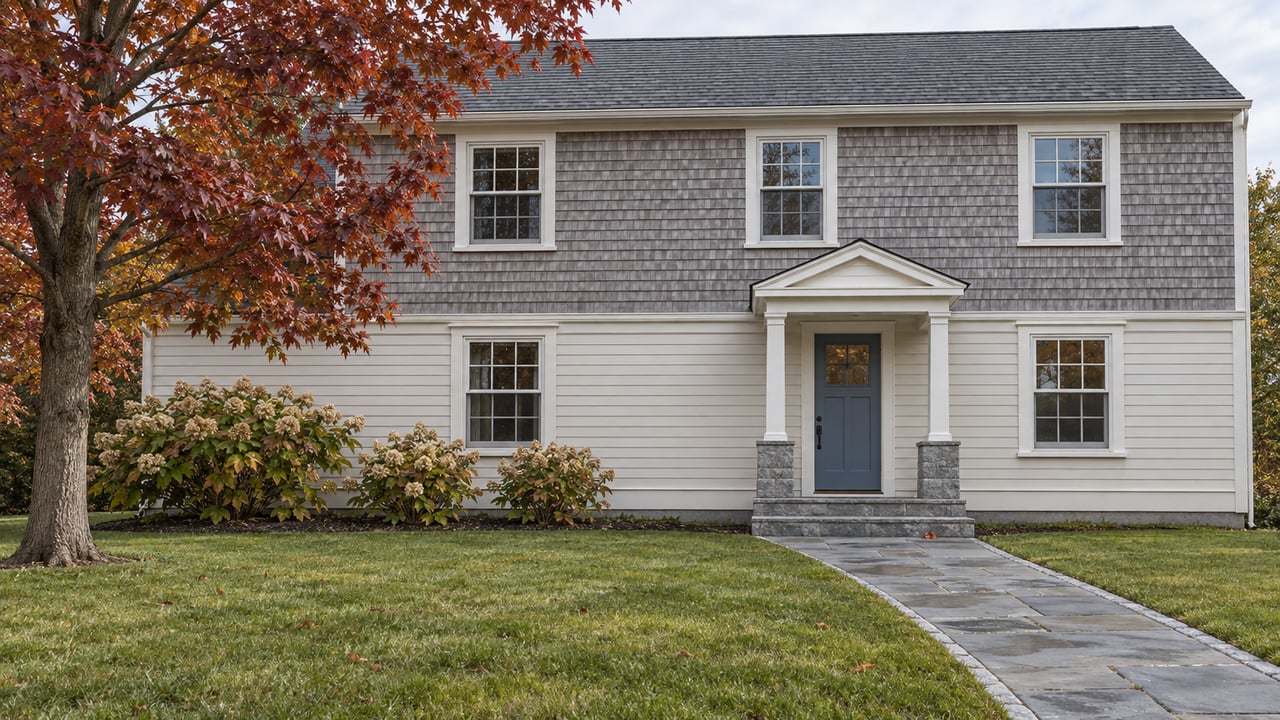
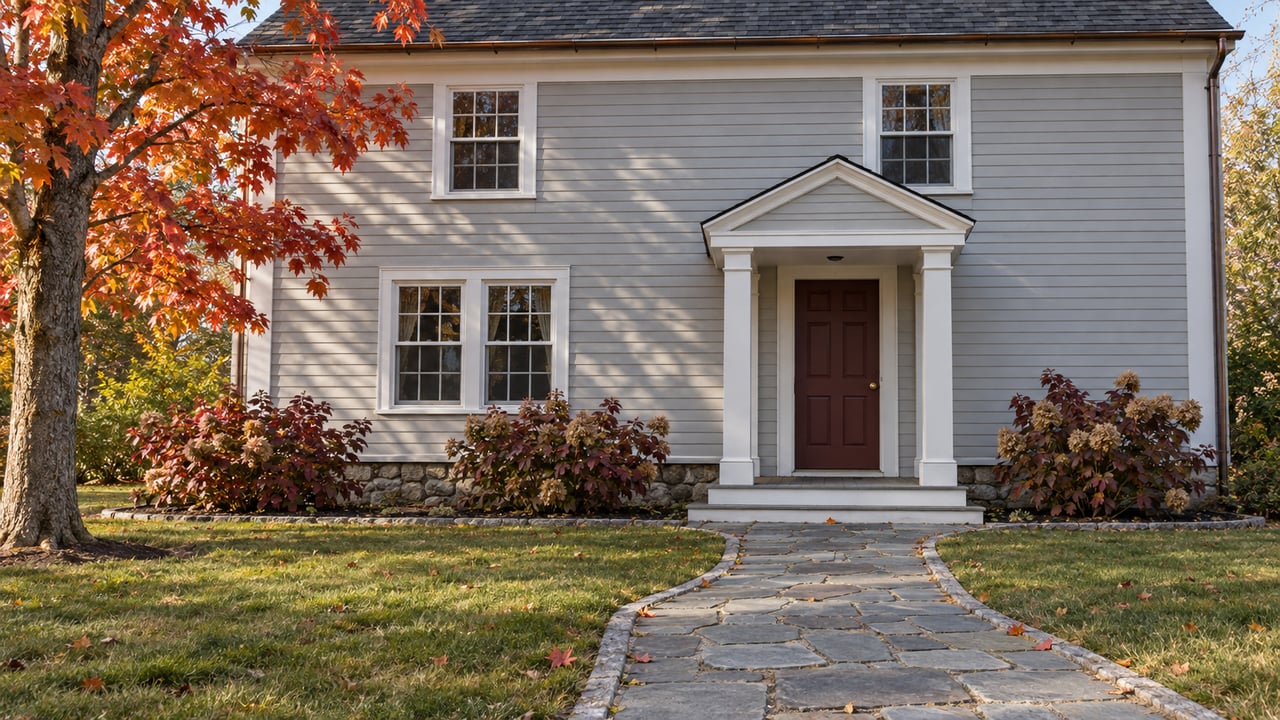
Stonington’s housing mix is one of the reasons the area appeals to a broad range of buyers. Town materials describe the Borough as home to large, well-maintained homes of former mariners. That points to the historic character many buyers are hoping to find in a coastal New England setting.
At the same time, the local housing stock is not limited to historic single-family homes. The zoning code includes a Latimer Point Condominium District, and Stonington Commons is described as a large condo complex with dock access. That means buyers may find options ranging from historic residences to shoreline homes and lower-maintenance condo living.
For people thinking about downsizing, simplifying, or buying a part-time residence, that variety matters. You may be able to keep the shoreline lifestyle you want while reducing upkeep and staying close to the village center.
Who Stonington Often Appeals To
Census QuickFacts show an owner-occupied housing rate of 72.6%, a median owner-occupied home value of $483,400, a median household income of $114,797, and an average household size of 2.09. The share of residents age 65 and older is 29.3%. Taken together, those figures suggest an established market with a strong ownership base.
In practical terms, Stonington often resonates with buyers who value stability, quality of life, and a more intentional pace. That can include downsizers looking for lower-maintenance living, relocation buyers who want a distinctive coastal setting, and sellers who have built significant equity over time.
Because the Borough is compact, walkable, and rich in waterfront access, it can also suit buyers who want to simplify daily routines without giving up the shoreline experience. That is especially important if you want less driving and more access to the things you enjoy most.
Convenience for Relocation Buyers
A coastal village feel does not mean you have to give up regional access. The Town of Stonington says I-95 is just minutes away, and Amtrak stations are available nearby in Mystic, New London, and Westerly. That makes Stonington easier to navigate for commuters, second-home owners, and relocation buyers than some people expect.
If you are moving from outside the area, this balance can be a major advantage. You get a tucked-away setting with strong visual appeal, but you are not isolated. That can make a big difference when you are trying to blend lifestyle goals with practical travel needs.
For military households and other relocation clients, that accessibility can also help reduce friction during a move. It supports easier regional travel while still delivering the charm and calm many buyers are seeking on the shoreline.
Stonington vs. Mystic
If you are deciding between Stonington and Mystic, it helps to understand how the two places feel on the ground. The Town of Stonington describes Mystic as having four visitor areas: Historic Downtown Mystic, Mystic Seaport, Olde Mistick Village, and Mystic Aquarium. Mystic tends to offer more concentrated visitor activity and a busier tourism profile.
Stonington Borough, by contrast, is generally quieter and less trafficked. Its village experience is more compact, more residential in feel, and more closely tied to the harbor itself. A walk along Water Street ending at the lighthouse feels very different from a larger destination-oriented downtown.
That does not make one better than the other. It simply means your best fit depends on the pace and setting you want. If you are looking for a smaller village center, a working harbor, and a more tucked-in shoreline atmosphere, Stonington often stands out.
Why Buyers Keep Coming Back to Stonington
Stonington offers something that can be hard to find on the shoreline: character without feeling staged. Its Atlantic-facing location, active harbor, preserved open spaces, and historic village core all work together to create a place that feels both beautiful and usable.
You are not choosing just a home here. You are choosing a pattern of life that may include harbor walks, beach afternoons, museum visits, outdoor trails, and dinners on Water Street. For many buyers, that combination is exactly what makes Stonington special.
If you are exploring homes in Stonington or weighing a move along the Connecticut shoreline, having local guidance can make the process much clearer. Renee McCammon offers personalized support for buyers, sellers, downsizers, and relocation clients who want practical advice and a steady hand from start to finish.
FAQs
What is the coastal village lifestyle in Stonington, CT like?
- Stonington’s coastal village lifestyle centers on a compact harbor setting, walkable streets, waterfront views, local dining, cultural landmarks, and easy access to beaches, parks, and preserves.
What part of Stonington has the strongest village feel?
- Stonington Borough has the strongest classic coastal village feel, with Water Street, the harbor, Stonington Point, duBois Beach, and many of the area’s historic and waterfront amenities.
How is Stonington different from Mystic for homebuyers?
- Mystic generally has a busier visitor-oriented atmosphere, while Stonington Borough feels quieter, smaller in scale, more residential, and more closely connected to a working harbor.
What types of homes can you find in Stonington, CT?
- Stonington includes a mix of historic homes, shoreline residences, and condo-style options such as those associated with areas like Stonington Commons and the Latimer Point Condominium District.
Is Stonington, CT convenient for commuting or relocation?
- Yes. The town notes that I-95 is minutes away, and nearby Amtrak access is available in Mystic, New London, and Westerly, which helps support commuting and regional travel.
What outdoor activities are available in Stonington?
- You can enjoy harbor walks, beach access, fishing, kayaking, waterfront paths, and nature outings at places like Barn Island Wildlife Management Area and several local preserves and public-access spots.